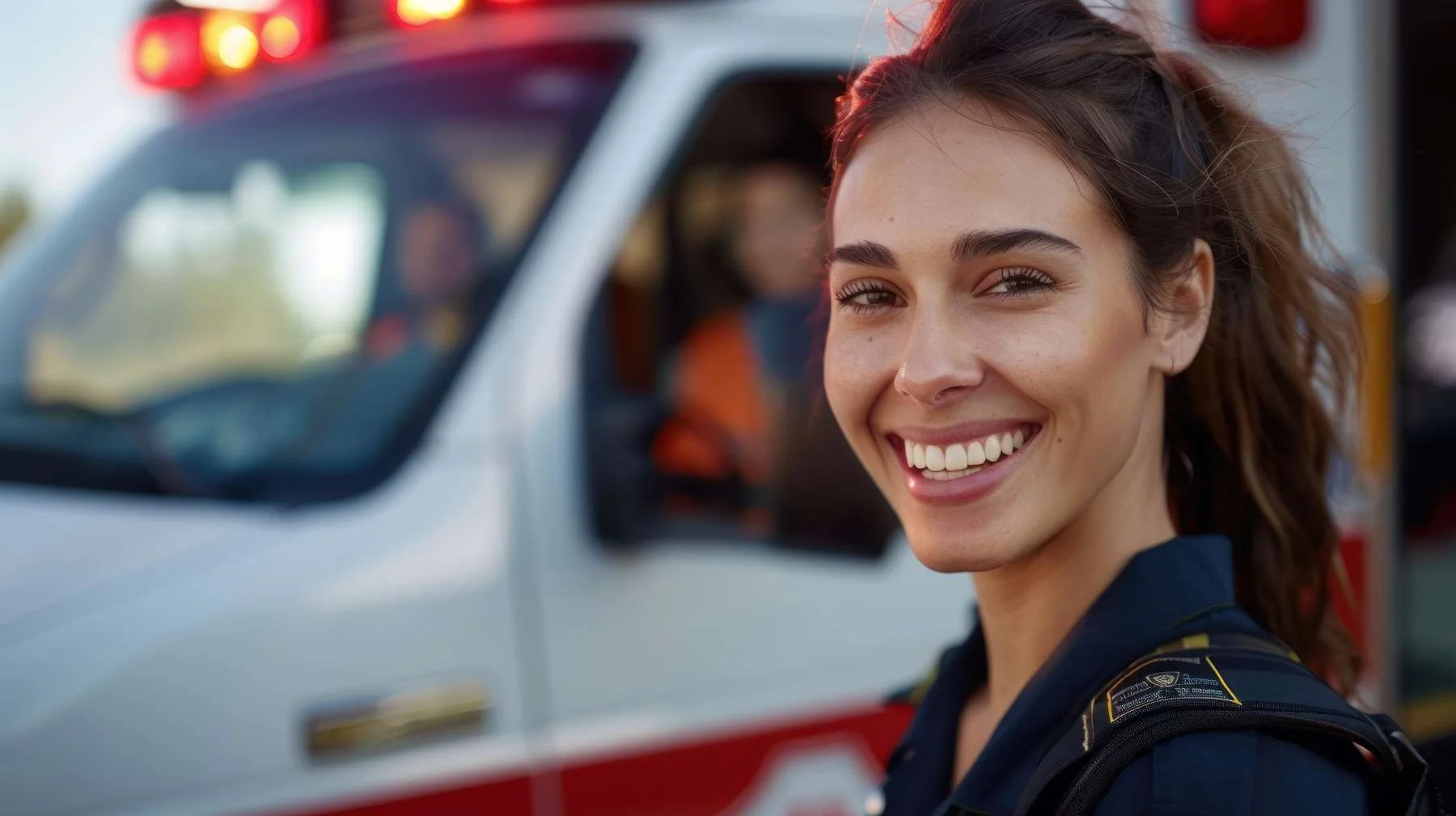
Helping You Save Lives.
Basic Trauma / Stop The Bleed
This 1-day, 8-hour course is built on the Stop the Bleed course curriculum established by the American College of Surgeons. All students will receive their Stop the Bleed certification upon completion of the course. No prior training is needed. This course was built with the untrained citizen in mind, and all are welcome to attend. The course focuses on the techniques for controlling critical bleeding but also covers traumatic injury assessment, basic airway management, and controlling hypothermia in trauma patients. More than half of the course is dedicated to hands-on practice and scenario training. Upon completion of this course, students will be eligible to attend the advanced trauma class or practice their skills in the stress lab. All training equipment will be provided. Courses run 8 hours with an hour for lunch. Come experience some of the best hands-on and scenario-based medical training in the country!
Course Enrollment Limit: 32
Equipment Requirements
Notepad and pen
Comfortable clothing suitable for hands-on training
Students are encouraged to bring the medical kit they currently carry / use for evaluation by instructors.
Available Dates, Times, & Locations
Note: Final course details like street address, gate codes, and on property directions will be sent by e-mail to all registered students about a week before the class.
Topics Covered
Legal considerations when administering first aid
Stress psychology & physiology
Training and knowledge retention techniques
911 and other emergency communications
Patient info documentation
Emergency prep and planning
First aid kit equipment selection and purchase
Basic anatomy and physiology
Recognition and management of shock in trauma patients
Introduction to wound patterns and mechanisms of injury
Ballistics & gunshot wounds
Methods for rapid primary patient assessment
Methods for secondary patient assessment
Wound assessment and treatment decision making
Bleeding control technique including direct pressure, tourniquet use, and wound packing
Basic considerations for pediatric trauma
Basic airway management
Chest seal / occlusive dressing use for penetrating chest and upper back injuries
Techniques for managing hypothermia in trauma patients